


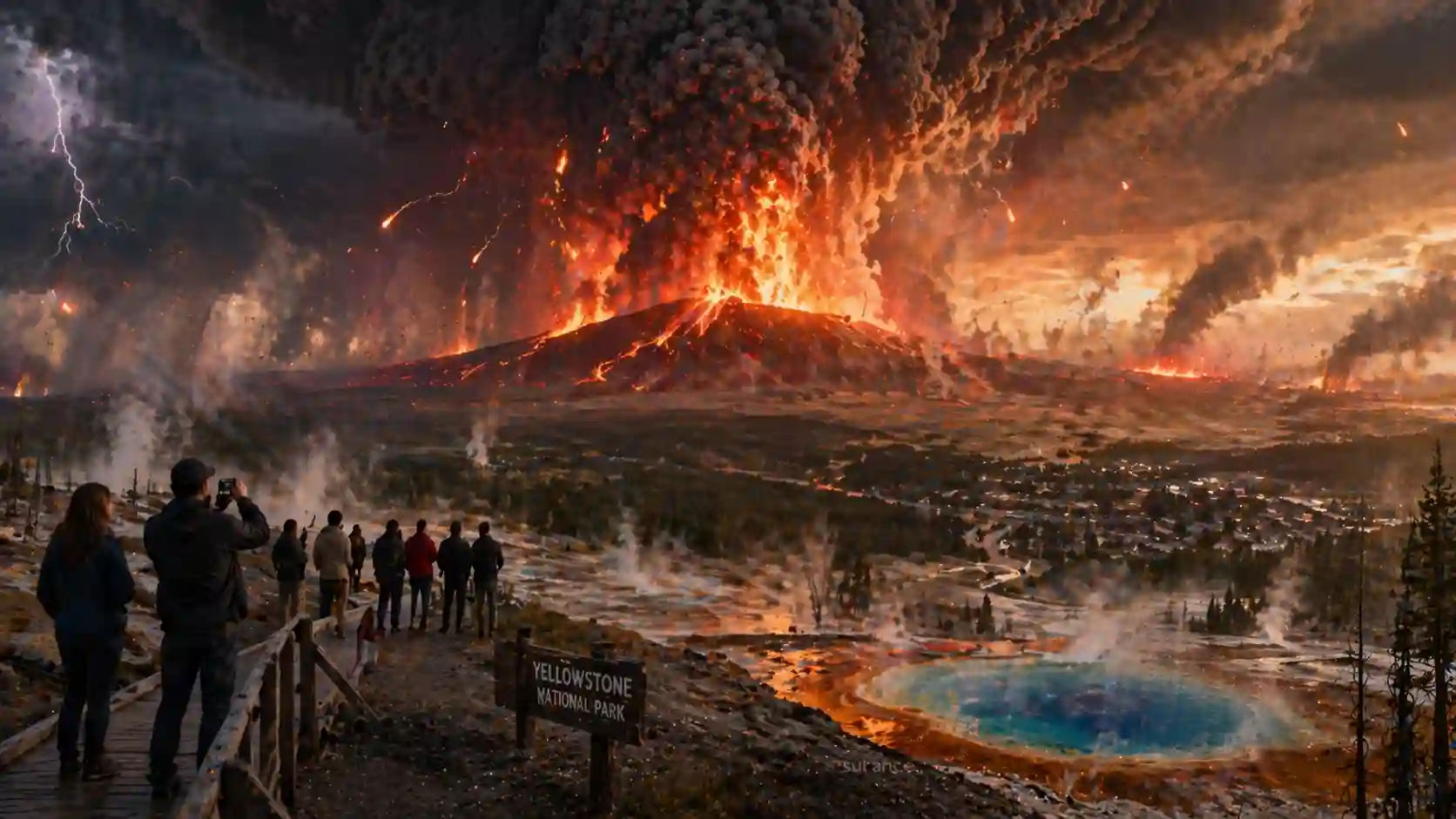
Imagine waking up one day to news alerts saying a massive volcano in the United States has erupted. It sounds like something out of a movie—but for many people, it raises a real question: what would happen if Yellowstone erupted?
Yellowstone is not just a national park—it sits on top of one of the largest supervolcanoes in the world. While it has been quiet for thousands of years, scientists still keep a close eye on it because of its potential impact.
If an eruption ever did happen, the effects would not be limited to one area. It could affect multiple states, change weather patterns, and disrupt daily life across the country.
In this article, we’ll break it down in simple terms—what it could mean, how it might affect the U.S., and how likely it really is.
What Is Yellowstone and Why Is It Important?
Yellowstone is a large national park located mainly in Wyoming, with parts in Montana and Idaho. It is famous for its natural beauty, hot springs, and geysers—but what many people don’t realize is that it sits on top of a massive supervolcano.
This is why scientists and experts take it seriously. Even though it hasn’t erupted in a very long time, it is still considered active. That’s also why people often ask what would happen if Yellowstone erupted?, because the scale of such an event would be much bigger than a normal volcano.
Why Yellowstone Matters:
- It’s one of the largest supervolcanoes in the world
- It is constantly monitored by scientists in the U.S.
- It has a history of very large eruptions (thousands of years ago)
- It can impact not just one state, but the entire country
Yellowstone is not something that is expected to erupt anytime soon, but its size and power are the main reasons it gets so much attention.
What Will Happen If Yellowstone Erupts?
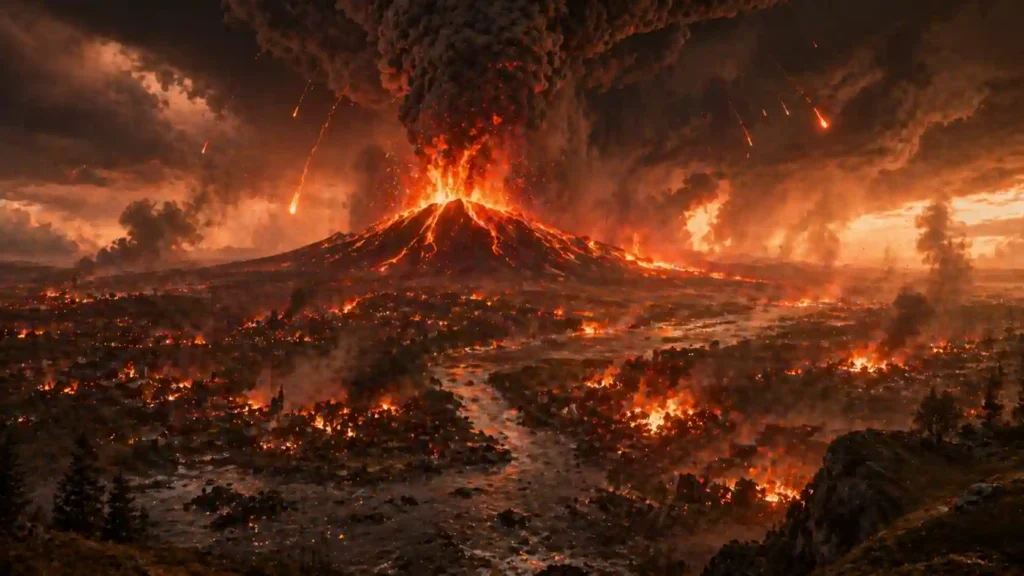
If Yellowstone ever erupts, it would be a very large and powerful event. It would not be like a normal volcano. Instead, it could affect a big part of the United States.
When people ask what would happen if Yellowstone erupted?, they are usually thinking about how big the damage could be—and the truth is, the effects could spread far beyond the area around the park.
What Could Happen:
- A huge explosion
The eruption could send ash, gas, and rock high into the sky. - Thick ash across many states
Ash could cover roads, homes, and cities, making it hard to breathe and travel. - Air travel would stop
Flights could be canceled because ash is dangerous for airplanes. - Sunlight could be blocked
The sky may stay dark for days or even weeks in some areas.
This is why scientists study it closely. Still, it’s important to remember that events like this are very rare.
What Will Happen If Yellowstone Erupts?
If Yellowstone ever erupts, it would be a very large and powerful event. It would not be like a normal volcano. Instead, it could affect a big part of the United States.
When people ask what would happen if Yellowstone erupted?, they are usually thinking about how big the damage could be—and the truth is, the effects could spread far beyond the area around the park.
What Could Happen:
- A huge explosion
The eruption could send ash, gas, and rock high into the sky. - Thick ash across many states
Ash could cover roads, homes, and cities, making it hard to breathe and travel. - Air travel would stop
Flights could be canceled because ash is dangerous for airplanes. - Sunlight could be blocked
The sky may stay dark for days or even weeks in some areas.
This is why scientists study it closely. Still, it’s important to remember that events like this are very rare.
Immediate Effects of a Yellowstone Eruption
If an eruption happens, the first effects would be fast and very powerful. Areas closest to Yellowstone would face the most damage in a short time. This is where people start to understand what will happen if Yellowstone erupted, as the impact would be immediate and intense.
What Would Happen First:
- A powerful blast
A huge explosion could damage everything nearby. - Hot lava and gases
Extremely hot material could destroy land, roads, and buildings. - Thick ash in the air
The sky would fill with ash, making it hard to see and breathe. - Strong earthquakes
The ground could shake before and during the eruption.
Areas Affected First:
- Wyoming
- Montana
- Idaho
These nearby areas would face the most serious damage early on.
This stage clearly shows what would happen if Yellowstone erupted?, especially for people living close to the area.
Ash Fallout Across the United States
One of the biggest effects of a Yellowstone eruption would be ash spreading across large parts of the country. Even areas far from the park could be affected. This is an important part of understanding what would happen if Yellowstone erupted?, because the impact would not stay limited to one region.
What Ash Fallout Can Cause:
- Dark skies during the day
Thick ash clouds can block sunlight and make the sky look gray or dark. - Breathing problems
Ash in the air can be harmful, especially for children and older adults. - Travel disruptions
Roads can become unsafe, and flights may be canceled across the U.S. - Damage to homes and cars
Heavy ash can pile up and cause damage over time.
This also explains what will happen if Yellowstone erupts on a national level, as ash can travel thousands of miles depending on wind direction.
Long-Term Effects on Climate and Life
The impact of a Yellowstone eruption would not end quickly. Some effects could last for months or even years. This is an important part of understanding what would happen if Yellowstone erupted?, because the long-term changes could affect everyday life across the country.
What Could Change Over Time:
- Cooler temperatures
Ash in the atmosphere could block sunlight, leading to lower temperatures. - Less sunlight for crops
Farming could become difficult, affecting food supply. - Changes in weather patterns
Rain and seasonal cycles may become less predictable. - Health issues
Long-term exposure to ash can cause breathing problems.
This helps explain what will happen if Yellowstone erupts beyond the immediate damage, as the effects could impact climate, food, and daily life for a long time.
What Will Happen If Yellowstone Erupts to the Economy?
A large eruption would not just affect the environment—it would also hit the economy hard. To understand what will happen if Yellowstone erupts, it’s important to look at how jobs, businesses, and daily spending could be impacted across the U.S.
Possible Economic Effects:
- Business shutdowns
Many local businesses could close due to damage or unsafe conditions. - Job losses
People may lose work, especially in affected states. - Transport problems
Roads, flights, and shipping could be disrupted, slowing down trade. - Farming losses
Crops may fail due to ash and less sunlight, affecting food supply and prices.
All of this shows what would happen if Yellowstone erupted on a larger scale—the impact would reach far beyond the eruption area and affect the entire economy.
Can Yellowstone Erupt Anytime Soon?
Many people worry about this, especially after learning what would happen if Yellowstone erupted?. The good news is that scientists closely watch the area, and there are no clear signs of a major eruption happening soon.
Yellowstone is active, but that does not mean it will erupt anytime in the near future. Experts study earthquakes, ground movement, and gas activity to understand what’s happening underground.
What Scientists Say:
- No warning signs of a big eruption right now
- Small earthquakes are normal in the area
- The ground slowly changes over time, which is expected
- The chance of a major eruption is very low
How Likely Is a Yellowstone Eruption?
After learning about the risks, many people wonder how likely it really is. While the idea may sound scary, the actual chances are very low. This helps put into perspective what would happen if Yellowstone erupted?, because it’s not something expected anytime soon.
Scientists study past eruptions and current activity to estimate the risk. Yellowstone has had major eruptions thousands of years apart, not something that happens often.
Key Facts to Know:
- Major eruptions are extremely rare
- The last big eruption happened over 600,000 years ago
- Current activity does not show signs of an upcoming eruption
- Experts monitor Yellowstone 24/7
Can People Survive a Yellowstone Eruption?
Survival depends on where you are and how prepared you are. Close to the eruption area, the danger would be very high. But people living farther away would have a better chance to stay safe. This helps explain what would happen if Yellowstone erupted, because the impact is not the same everywhere.
Survival Depends On:
- Distance from Yellowstone
People nearby would face the most risk, while those farther away may stay safer. - Access to shelter
Staying indoors can protect you from ash and poor air quality. - Emergency planning
Having food, water, and basic supplies can make a big difference. - Following official warnings
Government alerts and safety steps help reduce risk.
FAQs
1. What would happen if Yellowstone erupted?
A large eruption could cause ash to spread across many states, damage nearby areas, and affect climate and daily life in the U.S.
2. What will happen if Yellowstone erupts to nearby states?
States like Wyoming, Montana, and Idaho would face the most serious damage, including heat, ash, and possible destruction.
3. How likely is a Yellowstone eruption?
The chances are very low. Scientists say there are no signs of a major eruption happening anytime soon.
4. Would a Yellowstone eruption affect the whole U.S.?
Yes, especially through ash fallout, travel disruptions, and possible climate changes.
5. Can people survive if Yellowstone erupts?
Yes, especially those far from the area, but survival depends on distance, preparation, and safety measures.
Conclusion
A Yellowstone eruption would be a major event with serious effects, but it is not something expected anytime soon. While it’s useful to understand the risks and stay informed, there’s no need to panic.
Knowing what would happen if Yellowstone erupted? helps you stay aware and prepared, but experts agree that the chances of it happening in the near future are very low.
