


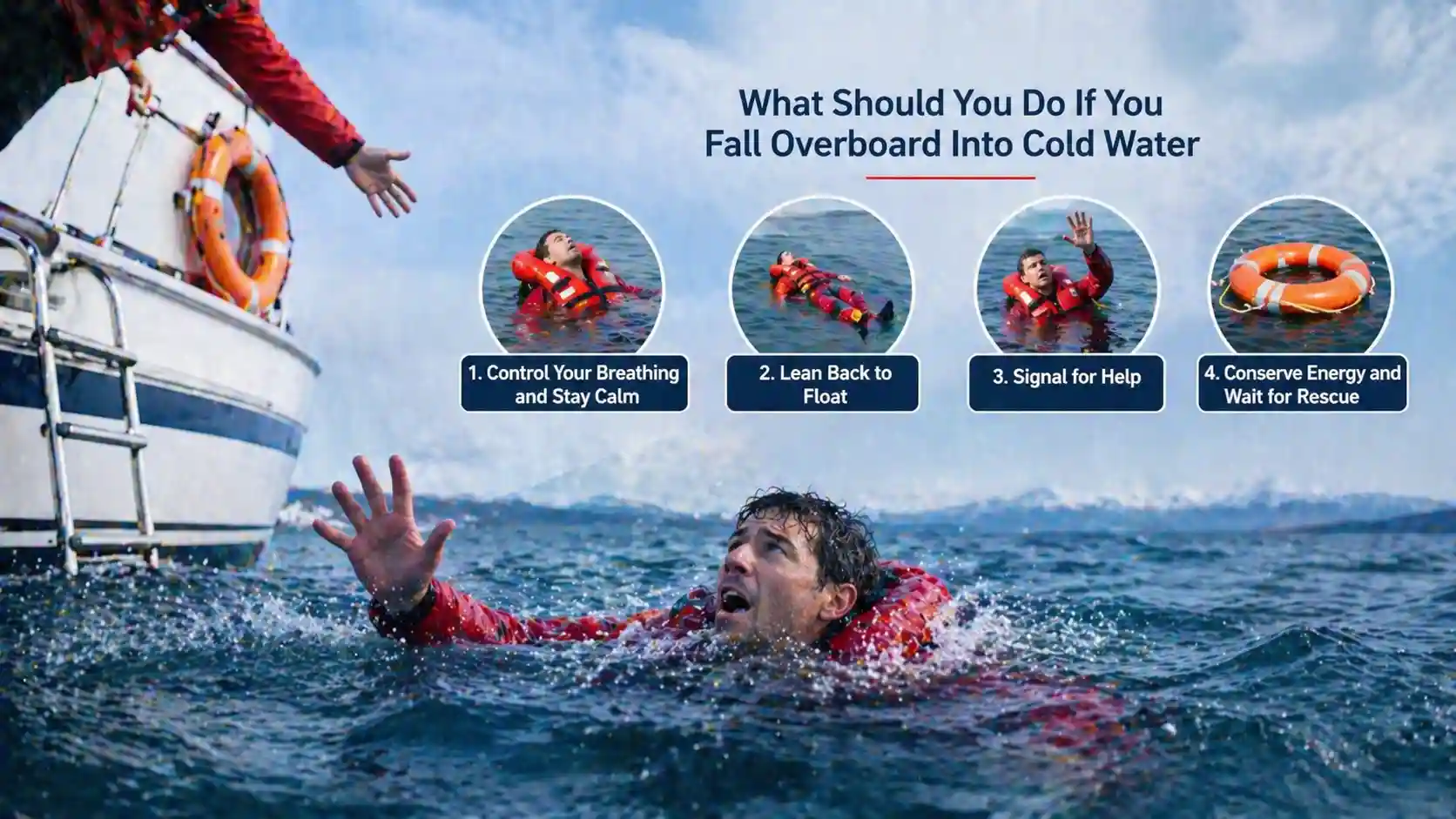
Falling into cold water can become dangerous very quickly. Whether it happens from a boat, dock, or while fishing, the shock of cold water can make it hard to think and breathe. This is why many people ask what should you do if you fall overboard into cold water?
Cold water emergencies are serious because body heat can drop fast. Panic and quick movements can also make the situation worse.
The good news is that knowing the right steps can improve your chances of survival. In this article, we’ll explain in simple words what to do, how to stay calm, and how to wait for rescue safely.
What Should You Do If You Fall Overboard Into Cold Water?
If you fall into cold water, the first goal is to stay calm and keep breathing under control. Quick panic can make the situation worse. To understand what should you do if you fall overboard into cold water?, focus on staying afloat and getting help.
Your first minutes in the water are the most important.
What You Should Do Right Away:
- Stay calm
Panic uses energy and makes breathing harder. - Keep your head above water
Focus on safe breathing. - Try to float
Conserve energy instead of swimming hard. - Call or signal for help
Get attention quickly. - Move toward safety only if very close
Do not waste energy on long swimming.
These first actions can greatly improve survival chances in cold water.
Why Cold Water Is Dangerous
Cold water can affect the body much faster than many people realize. This is an important part of what should you do if you fall overboard into cold water?, because understanding the danger helps you respond correctly.
The biggest risks often begin in the first few minutes.
Why It Is Dangerous:
- Cold shock response
Sudden cold can cause gasping and fast breathing. - Loss of strength
Hands and muscles may weaken quickly. - Faster energy loss
The body uses energy trying to stay warm. - Hypothermia risk
Body temperature can drop over time.
These dangers are why staying calm and conserving energy are so important.
First Steps to Take Immediately
The first few moments after falling in are critical. This is a key part of what should you do if you fall overboard into cold water?, because smart early actions can save energy and improve survival.
Try to focus on breathing and staying in control.
Immediate Steps:
- Control your breathing
Take slow breaths after the cold shock. - Keep your airway clear
Keep your face above water. - Turn toward the boat or rescue point
Stay visible if possible. - Hold onto anything floating
Use any object for support. - Avoid unnecessary movement
Save strength and body heat.
These first actions can help you stay safer while waiting for rescue.
Read More: What Happens If You Put Too Much Epsom Salt in a Bath
How to Stay Warm in the Water
Keeping body heat as long as possible is very important. This is another key part of what should you do if you fall overboard into cold water?, because cold water can lower body temperature quickly.
Try to reduce heat loss while staying afloat.
Ways to Stay Warm:
- Keep movements small
Too much movement uses energy and loses heat faster. - Use the HELP position
Bring knees toward the chest and keep arms close. - Keep clothing on
Clothes can provide some insulation. - Stay with others if possible
Huddling together can help conserve warmth.
These steps can help slow heat loss until rescue arrives.
How to Signal for Rescue
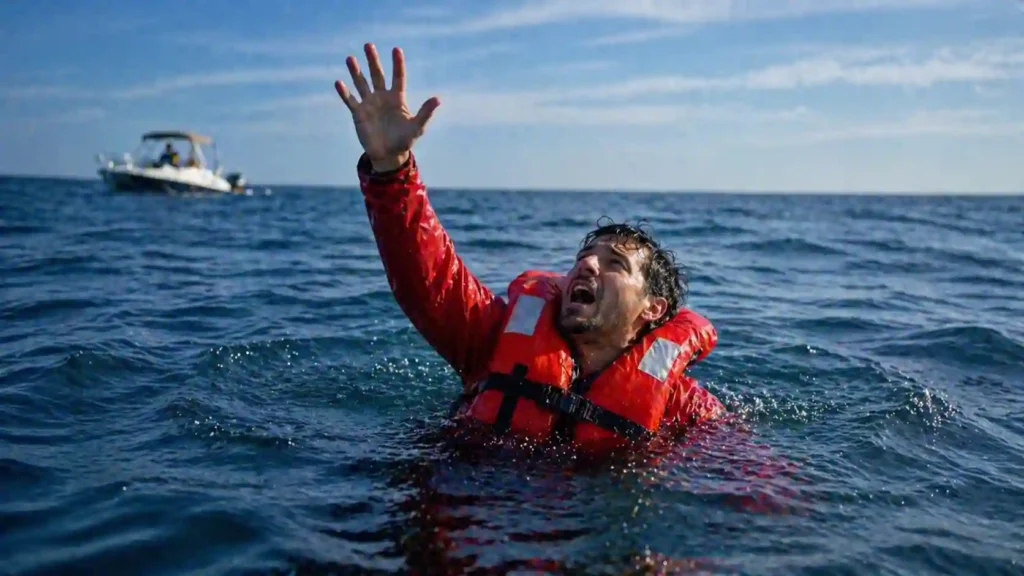
Getting noticed quickly can improve your chances of survival. This is an important part of what should you do if you fall overboard into cold water?, because rescue may depend on others seeing or hearing you.
Use signals that save energy when possible.
Ways to Get Attention:
- Shout for help
Call out when someone is nearby. - Wave one arm
Keep the other arm helping you float if needed. - Use a whistle
If you have one, it can carry farther than shouting. - Use a light or bright object
Helpful in low light or poor visibility.
Keep signaling when you safely can, but do not waste all your energy.
How to Prevent Falling Overboard
Prevention is always better than emergency rescue. Learning safe habits can reduce the risk of what should you do if you fall overboard into cold water? ever becoming a real situation.
Simple safety steps make a big difference on the water.
How to Stay Safe:
- Wear a life jacket
This is one of the best protections. - Move carefully on the boat
Avoid sudden movement or standing unsafely. - Use handrails when available
Keep balance during rough water. - Watch weather conditions
Wind and waves increase risk. - Avoid alcohol while boating
It can reduce balance and judgment.
Good preparation can prevent many overboard accidents.
How Long Can You Survive in Cold Water
The amount of time a person can survive in cold water depends on the water temperature, weather conditions, clothing, body size, and how quickly rescue arrives. Cold water can lower body temperature very fast, which makes survival more difficult.
When people ask What Should You Do If You Fall Overboard Into Cold Water, they often want to know how urgent the situation is. The answer is very urgent, because cold water can affect the body within minutes.
What Happens in the First Minutes
Right after entering cold water, many people experience:
- Sudden shock from the cold
- Fast breathing
- Panic
- Trouble swimming
- Muscle stiffness
This is why staying calm is so important.
Survival Time Can Vary
There is no exact answer for everyone, but colder water usually means less time. Some people may survive longer if they wear a life jacket, stay calm, and are rescued quickly. Others may become weak very fast.
Factors That Help Survival
These things can improve your chances:
- Wearing a life jacket
- Keeping your head above water
- Staying calm and controlling breathing
- Using the HELP position to keep warm
- Staying with the boat if possible
- Quick rescue response
Why Fast Rescue Matters
Even strong swimmers can lose strength in cold water. Swimming hard may tire you faster and lower body heat more quickly.
Final Thought
Cold water is dangerous because it can weaken the body fast. The best chance of survival is to stay calm, conserve energy, and get rescued as soon as possible.
What to Do After Being Rescued From Cold Water
Being rescued is the first big step, but care after rescue is also very important. The body may still be cold, weak, and under stress even after leaving the water.
When asking What Should You Do If You Fall Overboard Into Cold Water, people should also know what to do once they are safe. Proper actions after rescue can help recovery.
Get to a Safe Warm Place
Move the person to a dry and sheltered area away from wind and cold air. This helps prevent more heat loss.
Remove Wet Clothing
Wet clothes keep the body cold. If possible:
- Remove wet clothing carefully
- Dry the body gently
- Use blankets, towels, or dry clothes
Warm the Body Slowly
Use gentle warming methods such as:
- Blankets
- Warm dry clothing
- Warm room or shelter
- Body heat from blankets
Avoid very hot water or sudden extreme heat.
Check for Warning Signs
Watch for:
- Shivering that does not stop
- Confusion
- Trouble speaking
- Weak pulse
- Extreme tiredness
- Trouble breathing
Seek medical help if these signs appear.
Give Warm Drinks if Alert
If the person is awake and able to swallow safely, warm drinks may help. Avoid alcohol.
Rest and Monitor
Even if the person feels better, they may still need rest and observation because cold exposure can affect the body later.
Final Thought
After rescue, keeping warm and getting medical help when needed are very important. Safe recovery continues even after leaving the water.
Read More: What Would Happen If Mosquitoes Went Extinct
Can You Swim to Safety in Cold Water
Many people think swimming quickly to shore is the best choice after falling into cold water, but this is not always safe. Cold water can weaken muscles, slow movement, and cause fast breathing within minutes.
When people ask What Should You Do If You Fall Overboard Into Cold Water, they often wonder if they should swim right away. The best choice depends on how far safety is, water conditions, and whether you are wearing a life jacket.
When Swimming May Be Risky
Swimming can be dangerous if:
- The shore is far away
- Water is extremely cold
- Strong waves or currents are present
- You are already tired or in shock
- You are not wearing a life jacket
Better Options in Many Cases
Instead of swimming far, it may be safer to:
- Stay with the boat if it is floating
- Keep your energy saved
- Use a life jacket
- Float calmly
- Signal for help
If Shore Is Very Close
If land, a dock, or rescue boat is very close and conditions are calm, swimming carefully may be possible. Still, avoid panic and move slowly.
Why Energy Matters
Cold water drains energy quickly. Fast swimming can tire you sooner and increase heat loss.
Final Thought
Swimming to safety is not always the best answer in cold water. Staying calm, conserving energy, and waiting for rescue is often the safer choice.
FAQs
1. What should you do if you fall overboard into cold water?
Stay calm, control your breathing, float, and call for help.
2. Why is cold water so dangerous?
It can cause cold shock, fast energy loss, and hypothermia.
3. Should I swim hard to shore right away?
Only if safety is very close. Otherwise, conserve energy.
4. What is the HELP position?
It is a body position used to reduce heat loss in cold water.
5. Does wearing a life jacket help?
Yes, it helps keep you afloat and improves survival chances.
Conclusion
Falling into cold water is a serious emergency, but the right actions can improve your chances of survival. Staying calm, controlling your breathing, floating, and signaling for help are the most important first steps.
Understanding what should you do if you fall overboard into cold water? helps you react quickly and safely. Preparation, such as wearing a life jacket, can also make a major difference.
